

Alfa Cytology's huPBMC-NK mice are an advanced preclinical platform specifically engineered for the evaluation of NK cell-mediated immunotherapies. By achieving physiological-level reconstitution of functional human NK cells, this model provides a powerful and predictive tool for assessing antibody-dependent cellular cytotoxicity (ADCC), NK cell engagers, CAR-NK cell therapies, and immunostimulatory agents. We offer comprehensive, end-to-end services from model establishment to robust functional analysis, accelerating your NK-cell-focused drug development programs.
The huPBMC-NK model is established by engrafting healthy donor-derived PBMCs into immunodeficient NCG mice, utilizing proprietary protocols optimized for robust human NK cell reconstitution over other immune cell types.
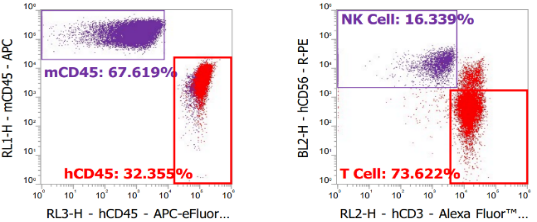 Fig.1 huPBMC-NK: high-level NK reconstruction.
Highly versatile human NK reconstitution
Clinical-level NK reconstitution
Keep normal function of NK cells
Critical assessment of therapeutic antibodies reliant on NK cell-mediated cytotoxicity.
Evaluation of bispecific and multispecific molecules designed to activate and redirect NK cells.
In vivo validation of CAR-NK cell persistence, trafficking, and antitumor efficacy.
Investigation of next-generation immune checkpoints such as NKG2A.
Assessment of cytokines like IL-15 for their ability to expand and activate NK cells.
Overview
Assess the antitumor activity of an ADCC-dependent antibody (Imab362) in a huPBMC-NK humanized NCG model and benchmark against CD34⁺ HSC–humanized and SCID models.
Study Information
Results
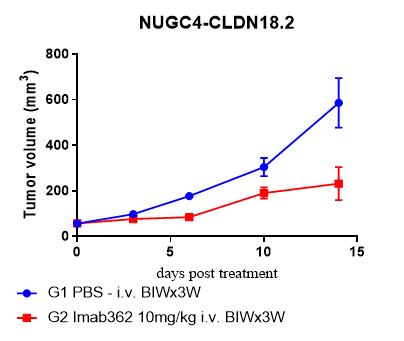 Innovative HuPBMC NK
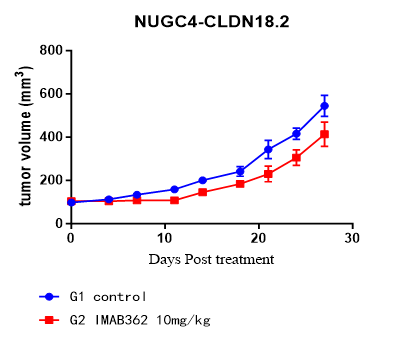 CD34+HSC humanized mouse model
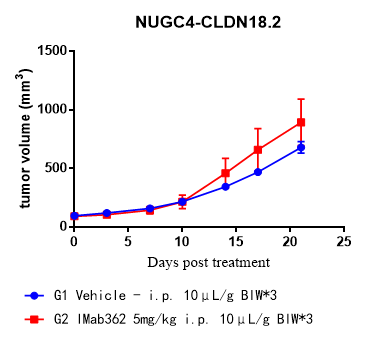 SCID mice (can provide mouse-derived NK cells)
Fig.2 Comparative antitumor activity of an ADCC-dependent anti-CLDN18.2 antibody (Imab362) across preclinical models.
Overview
Assess pharmacodynamic expansion of human NK cells and antitumor activity following human IL-15 (hIL-15) stimulation in huPBMC-NK humanized NCG model, and include a CT26 syngeneic model as a comparator.
Study Information
Results
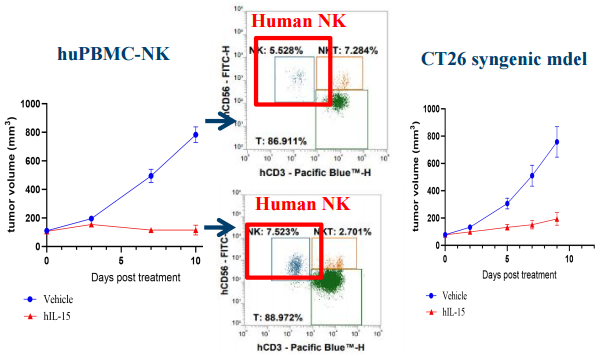 Fig.3 Robust expansion of human NK cells in response to cytokine stimulation.
Overview
Evaluate antitumor activity of Monalizumab (anti-NKG2A) in a huPBMC-NK humanized NCG model and illustrate the mechanism by which NKG2A blockade can enhance human NK-cell function.
Study Information
Results
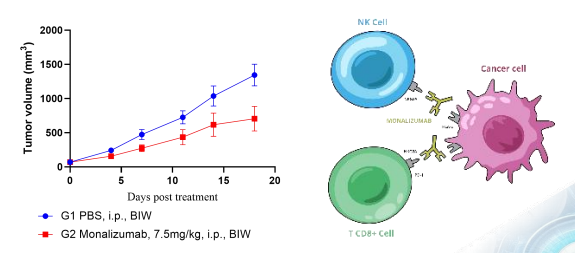 Fig.4 Enhanced anti-tumor efficacy via NK cell checkpoint blockade.
The huPBMC-NK model is the definitive preclinical solution for your NK cell immunotherapy discovery. Alfa Cytology's Hu-Immune™ platform delivers end-to-end services—from optimized model establishment to robust functional analysis. Contact our scientific team now for customized solutions.
For research use only.

Alfa Cytology is a leading preclinical research partner specializing in humanized immune system mouse models for immuno-oncology and inflammation research.
Copyright © 2026 Alfa Cytology. All rights reserved.